Cooking Tips
How to Cook Wagyu
Flipping Wagyu steak frequently during cooking is a technique that elevates the preparation of this premium, highly marbled beef, known for its intense flavor and unparalleled tenderness. Unlike conventional wisdom that suggests leaving a steak untouched to develop a sear, regular flipping (every 30 to 60 seconds) optimizes the cooking process for Wagyu’s unique characteristics.
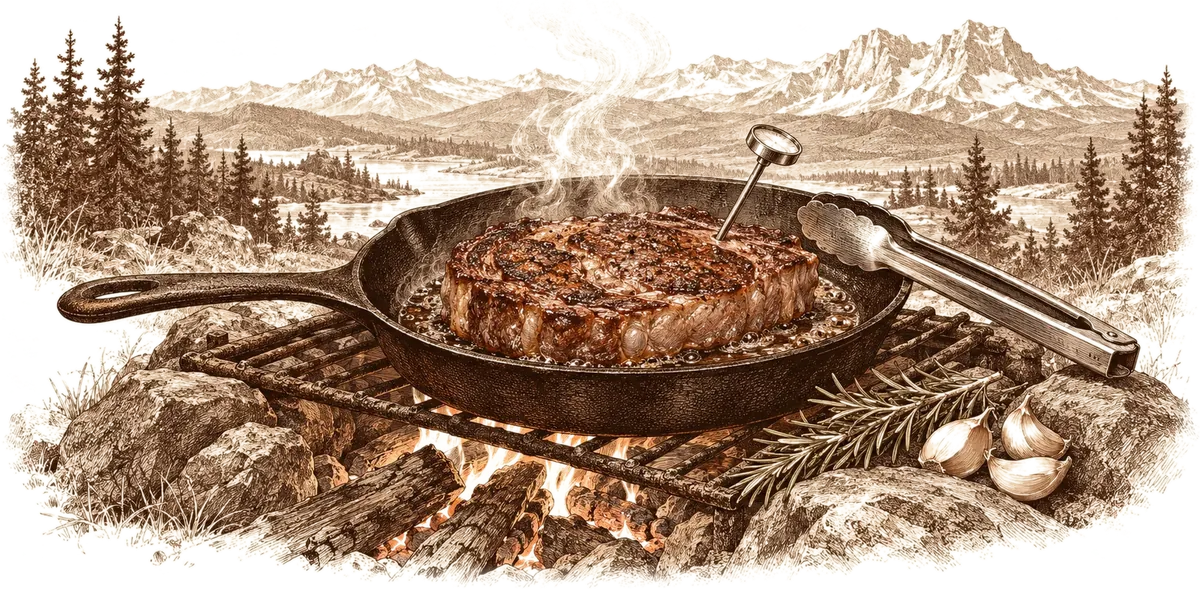
- Flip this often
- 30–60 s
- Medium-rare target
- 130–135°F
- Pull it off the heat
- 125°F
- Rest before slicing
- 5 min
The technique
Why flip Wagyu so often
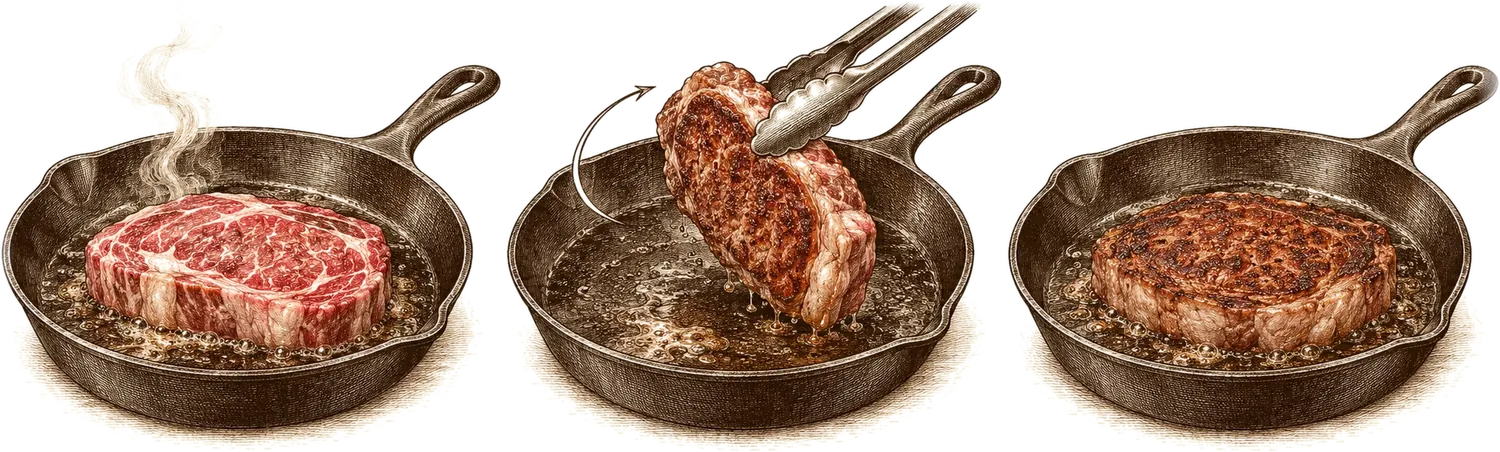
1. Hot pan
Lay it in a skillet of at least 425°F.
2. Turn often
Flip every 30 to 60 seconds.
3. Even crust
Deep crust both sides, no gray band.
The science behind it
The high intramuscular fat content, which can exceed 30% in top grades like A5, requires careful heat management to render properly without pooling or burning. Frequent flipping ensures that both sides of the steak are exposed to consistent heat, allowing the fat to melt gradually and infuse the meat with its rich, buttery essence.
This method also promotes a robust Maillard reaction, the chemical process responsible for the deep, savory crust, without creating overly thick gray bands of overcooked meat beneath the surface. By maintaining a more even internal temperature gradient, flipping prevents the delicate Wagyu from drying out or losing its signature juiciness, which is critical given its high cost, often $100 to $200 per pound or more.
Additionally, this technique is forgiving, reducing the risk of overcooking, which can ruin the luxurious texture that makes Wagyu so prized. Whether cooked on a cast-iron skillet, grill, or plancha, flipping Wagyu steak delivers a consistently tender, flavorful result that maximizes the sensory experience of this exceptional meat.
Detailed Benefits of Flipping Wagyu Steak
- 01Uniform DonenessPink edge to edge, no gray zone.
Read more
Flipping every 30-60 seconds minimizes temperature disparities between the steak’s surface and interior. This is crucial for Wagyu, where precise cooking (often medium-rare, around 130-135°F) preserves the delicate fat structure. Studies, like those from culinary scientists at Serious Eats, show that frequent flipping reduces the formation of overcooked gray zones, ensuring a pink, tender center edge-to-edge.
- 02Superior Crust FormationA thin, even crust — without charring the fat.
Read more
The Maillard reaction, which creates the flavorful, golden-brown crust, occurs optimally at surface temperatures above 300°F. Flipping frequently allows both sides to sear consistently, building a thin, crispy crust without prolonged exposure that can char the high-fat content of Wagyu. This results in a complex, nutty flavor profile that complements the meat’s richness.
- 03Optimal Fat RenderingThe marbling melts into the meat, not into the pan.
Read more
Wagyu’s abundant marbling requires careful rendering to avoid greasiness or flare-ups on a grill. Regular flipping ensures the fat melts evenly into the muscle fibers, enhancing flavor and texture while preventing excessive fat from dripping away. This is particularly important for high-grade Wagyu, where fat is a primary flavor component.
- 04Preservation of JuicinessLess time per side keeps the moisture in.
Read more
Overcooking Wagyu can cause the fat to render out excessively, leaving the meat drier than intended. Flipping reduces the time any one side is exposed to direct heat, maintaining moisture and the melt-in-your-mouth quality that defines Wagyu. This is supported by thermal dynamics: shorter heat exposure per side keeps internal moisture intact.
- 05Improved Heat DistributionNo hot spots, even in cuts 1.5" thick.
Read more
Wagyu’s dense fat content can create uneven heat absorption. Flipping promotes balanced heat transfer, reducing hot spots that could overcook portions of the steak. This is especially effective in thicker cuts (1.5 inches or more), where temperature gradients are more pronounced.
- 06Forgiving Cooking ProcessCheck it at every turn — hard to overcook.
Read more
The technique is less prone to error, making it ideal for home cooks or those intimidated by Wagyu’s price tag. Frequent flipping allows for better monitoring of doneness, as you can check the steak’s progress with each turn, using a thermometer for precision without risking overcooking.
- 07Enhanced Aesthetic AppealAn even golden sear, worthy of the center of the table.
Read more
Regular flipping creates an even, visually appealing sear pattern on both sides, enhancing presentation. For Wagyu, often served as a centerpiece dish, this consistent golden-brown crust elevates the dining experience, showcasing the care taken in its preparation.
- This approach, validated by chefs and food science research, respects Wagyu’s premium nature, ensuring that every bite delivers the luxurious flavor and texture that justify its reputation as the world’s finest beef.
Doneness
Cooking Temperatures Specifically for Wagyu Beef
Medium-rare, 130°F to 140°F (54°C to 60°C), is where Wagyu’s marbling is at its best.

Rare
120–130°F
Medium Rare
130–140°F
Our pick
Medium
140–150°F
Medium Well
150–155°F
Well Done
160–165°F
Read more
The optimal cooking temperature for Wagyu steak is typically considered to be medium-rare, which corresponds to an internal temperature range of 130°F to 140°F (54°C to 60°C). This doneness level is recommended by experts as it allows the steak’s unique flavor and tenderness, derived from its abundant marbling, to be best enjoyed.
Before you start
Important Considerations for Wagyu
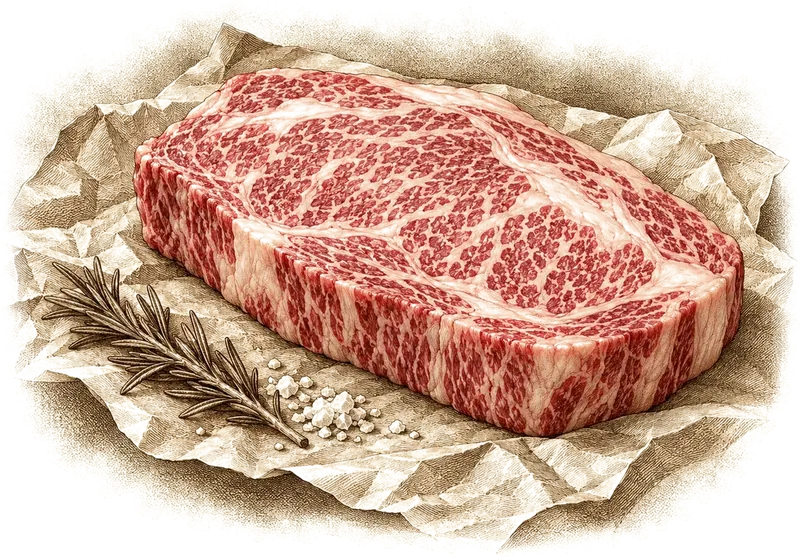
Marbling
The high fat content (marbling) in Wagyu melts quickly, so it cooks faster than traditional beef.
- Use a Meat ThermometerUsing a meat thermometer is the best way to ensure accurate doneness. Insert it into the thickest part of the steak.
- Pan SearingMany recommend pan searing Wagyu to achieve a beautiful crust. Use a hot pan (at least 425°F or 218°C).
- Avoid OvercookingCooking Wagyu beyond medium-rare can dry out the steak and diminish its unique qualities.
- SeasoningA high-quality salt and pepper seasoning is usually sufficient to complement the rich flavor of Wagyu.
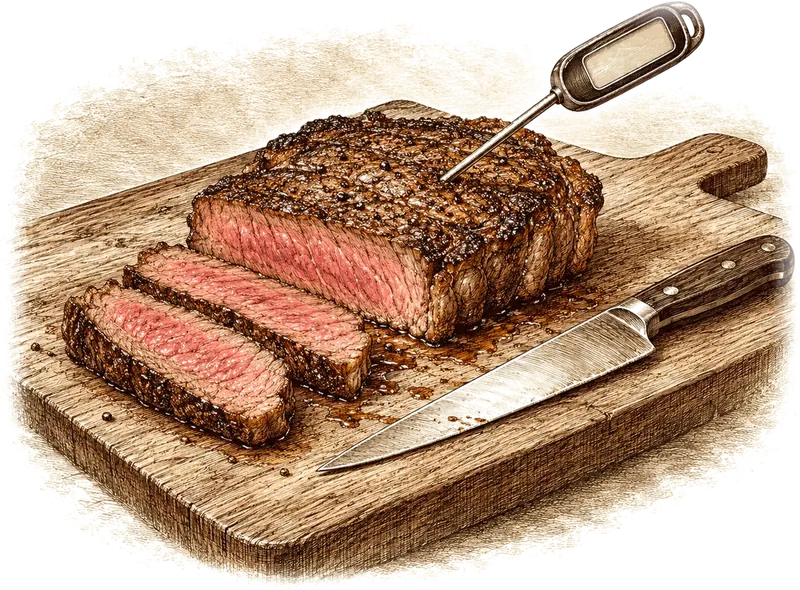
Pull it at
125°F
for medium-rare
Then rest
5 min
before slicing
Mind the carryover
Remember to remove the steak from the heat a few degrees below your desired doneness level to account for the carryover cooking that occurs during resting. For example, if you’re aiming for medium-rare (130°F-135°F), you might remove the steak from the heat when it reaches around 125°F.
Allowing the steak to rest for at least 5 minutes after cooking is crucial for the juices to redistribute, resulting in a more flavorful and tender steak.
Why Wagyu carries over more
Cooking Wagyu steak requires precise temperature control due to its high marbling, which renders at lower temperatures than leaner cuts, affecting texture and flavor. Wagyu’s intramuscular fat begins melting around 77°F (25°C), much lower than typical beef, making it prone to overcooking if not monitored. The goal is to achieve the desired doneness while preserving the buttery, melt-in-your-mouth quality that defines Wagyu, typically from Japanese A5 or Australian 9+ grades. The temperatures above are slightly lower than for standard beef, as Wagyu’s fat content carries over residual heat more intensely, and many chefs recommend pulling the steak 5°F below the target to account for carryover cooking during resting (3-5 minutes, tented with foil).